Solutions to Acid Rain: A Multi-Faceted Approach
Acid rain, a serious environmental problem, requires a comprehensive strategy involving technological advancements, policy changes, and international cooperation. EcoSolutions Alliance believes that by implementing a range of solutions, we can significantly reduce the harmful effects of acid rain and protect our ecosystems.
Emission Control Technologies
One of the most effective ways to combat acid rain is to reduce emissions of sulfur dioxide (SO2) and nitrogen oxides (NOx) from power plants, industrial facilities, and vehicles. Several technologies are available to achieve this:
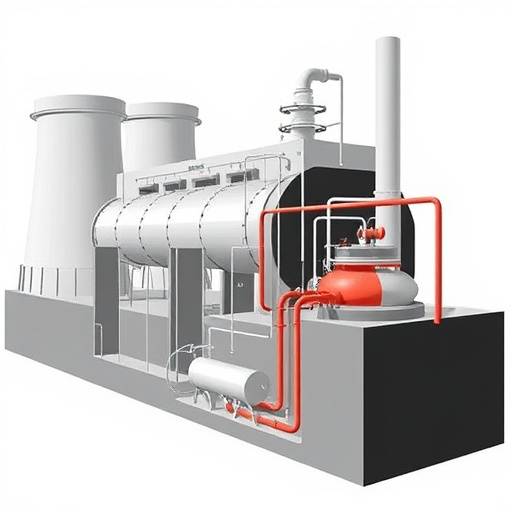
- Flue Gas Desulfurization (FGD): Also known as scrubbers, FGD systems remove SO2 from the exhaust gases of power plants. These systems typically use a sorbent, such as limestone or lime, to react with the SO2 and convert it into a solid waste product.
- Selective Catalytic Reduction (SCR): SCR technology is used to reduce NOx emissions from power plants and industrial facilities. It involves injecting ammonia or urea into the exhaust gas stream, which then reacts with the NOx in the presence of a catalyst to form nitrogen and water.
- Low-NOx Burners: These burners are designed to reduce the formation of NOx during combustion by controlling the air-fuel mixture and temperature. They are widely used in power plants and industrial boilers.
- Coal Cleaning: Cleaning coal before it is burned can remove some of the sulfur, thereby reducing SO2 emissions. This can be achieved through physical or chemical processes.
Transitioning to Alternative Energy Sources
A key strategy for preventing acid rain is to shift away from fossil fuels and embrace cleaner, renewable energy sources. This includes:
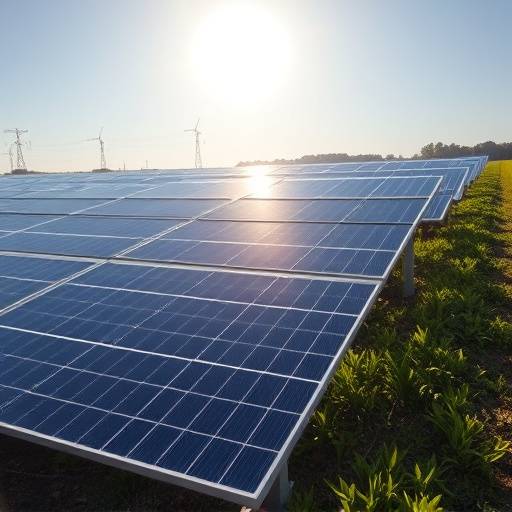
- Solar Energy: Solar photovoltaic (PV) cells convert sunlight directly into electricity. Solar power is a clean and sustainable energy source that produces no SO2 or NOx emissions.
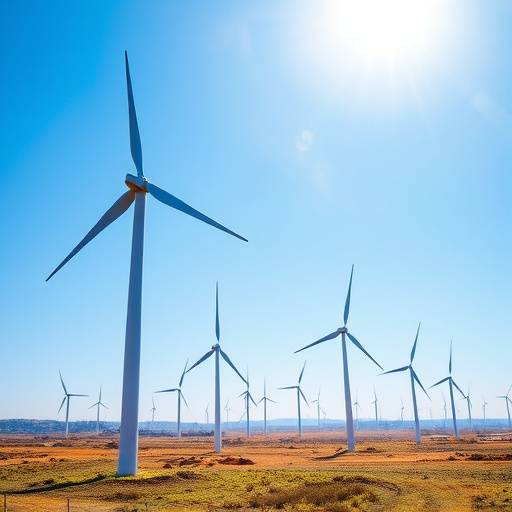
- Wind Energy: Wind turbines harness the kinetic energy of the wind to generate electricity. Wind power is another clean and renewable energy source that can significantly reduce our reliance on fossil fuels.
- Hydropower: Hydropower plants use the energy of flowing water to generate electricity. While hydropower can have some environmental impacts, it is generally cleaner than fossil fuels.
- Geothermal Energy: Geothermal energy taps into the Earth's internal heat to generate electricity or provide heating and cooling. It is a reliable and sustainable energy source.
- Biomass Energy: Biomass energy involves burning organic matter, such as wood or agricultural waste, to generate electricity or heat. When biomass is sourced sustainably, it can be a carbon-neutral energy source.
Energy Conservation and Efficiency
Reducing our overall energy consumption is another important strategy for preventing acid rain. This can be achieved through:
- Improving Energy Efficiency: Using more energy-efficient appliances, lighting, and industrial processes can significantly reduce our energy demand.
- Promoting Energy Conservation: Encouraging people to conserve energy through simple actions, such as turning off lights when they leave a room and using public transportation, can also make a difference.
- Developing Smart Grids: Smart grids can help to optimize energy distribution and reduce waste.
- Investing in Public Transportation: Improving public transportation systems can reduce the number of cars on the road and lower emissions from vehicles.
International Agreements and Regulations
Acid rain is a transboundary problem, meaning that pollutants can travel long distances across national borders. International cooperation is essential to address this issue effectively.
- The Convention on Long-Range Transboundary Air Pollution (CLRTAP): This convention, established in 1979, is a major international agreement aimed at reducing air pollution, including acid rain. It has been instrumental in promoting cooperation among countries in Europe and North America.
- National Regulations: Many countries have implemented regulations to limit SO2 and NOx emissions. These regulations often set emission standards for power plants, industrial facilities, and vehicles.
- Emissions Trading Programs: These programs allow companies to buy and sell emission allowances, providing an economic incentive to reduce pollution.
"The fight against acid rain requires a global commitment to reducing emissions and transitioning to cleaner energy sources. EcoSolutions Alliance is dedicated to working with governments, businesses, and individuals to achieve this goal." - Dr. Anya Sharma, Lead Environmental Scientist at EcoSolutions Alliance
Liming
Liming involves adding lime (calcium carbonate) to acidified lakes and soils to neutralize the acidity. This can help to restore aquatic ecosystems and improve soil health. However, liming is a temporary solution and does not address the underlying cause of acid rain.
Public Awareness and Education
Raising public awareness about the causes and effects of acid rain is crucial for promoting action. EcoSolutions Alliance is committed to educating the public about this issue and encouraging them to take steps to reduce their environmental impact. We regularly organize workshops and distribute educational materials. Professor David Lee from the University of Toronto assists us on this endeavor.
Case Studies: Successful Mitigation Efforts
Several regions have successfully reduced acid rain through comprehensive mitigation efforts. The experiences of these regions provide valuable lessons for other areas facing similar challenges.
- The United States Acid Rain Program: This program, established in 1990, has significantly reduced SO2 emissions from power plants in the United States.
- Europe's Efforts to Reduce Air Pollution: European countries have implemented a range of policies and technologies to reduce air pollution, including acid rain. These efforts have led to significant improvements in air quality.
Our Continued Commitment
EcoSolutions Alliance remains steadfast in its commitment to battling acid rain. We collaborate with local communities in Toronto and across Ontario, offering guidance and resources for sustainable practices. Our office, located at 123 Elm Street, Toronto, ON M5G 1E5, serves as a hub for environmental education and activism. Contact us at +1 396-815-2807 or via email at info@ecosolutionsalliance.org.